




Services
Hip Replacement
Hip replacement is one of the most effective operations in orthopaedic surgery. For patients with severe hip arthritis or cartilage disease that has stopped responding to non-operative management, it reliably reduces pain and restores mobility.

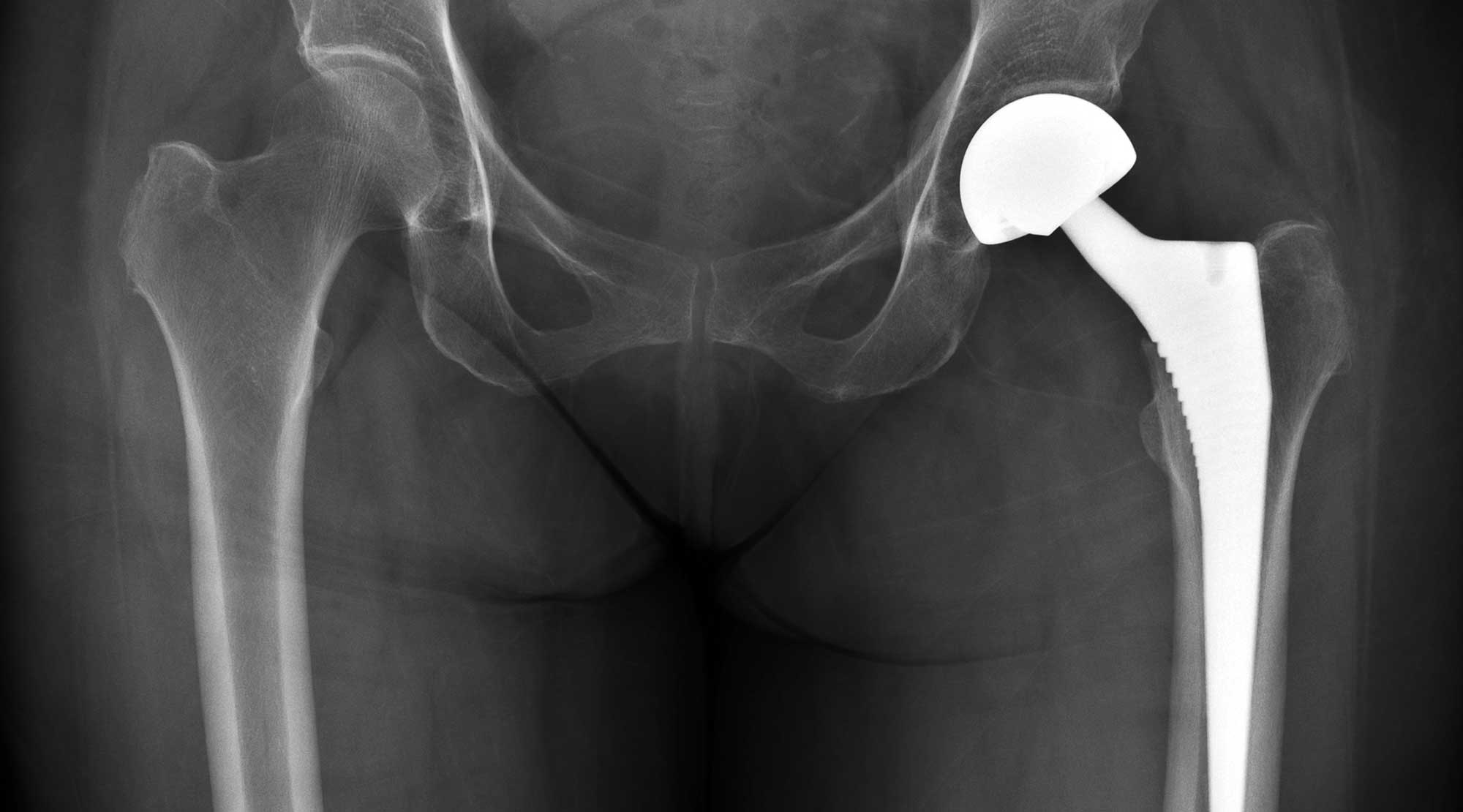
When is it indicated
Surgery is considered when hip pain is significantly affecting quality of life and has not responded to non-operative management - physiotherapy, analgesia, corticosteroid injections, and lifestyle modification. The right candidate has clear radiological evidence of arthritis or cartilage disease, refractory pain, and functional limitations affecting sleep and daily activities.
Hip replacement can be performed across a wide age range. While most patients are over 55, younger patients with the right indication can achieve excellent outcomes.
The procedure
Dr Scaife performs both anterior and posterior approach hip replacement. The approach is discussed and determined at consultation based on the individual patient.
The anterior approach is minimally invasive - access to the joint is gained between muscles rather than through them, avoiding the need to detach tendons from the femur. This results in less tissue disruption, faster recovery, lower dislocation risk, and less postoperative pain. It is Dr Scaife's preferred approach in suitable patients.
The posterior approach provides a wider surgical field and is the preferred approach in certain patients - including those requiring revision surgery or where anatomy makes the anterior approach less suitable.
Both approaches deliver excellent long term outcomes supported by the Australian Joint Registry. Implant survival at twenty years is high and most patients do not require further surgery.
Preoperative planning
Every hip replacement at Brisbane Orthopaedic Group is planned using CT imaging and three-dimensional templating. If you have a stiff spine, scoliosis, or previous back surgery, your spinopelvic motion is assessed prior to surgery to optimise implant positioning. There is no guesswork.
Each patient will have their own personalised operative plan based on there anatomy and unique physical requirements. If needed, a 3D printed model will be printed. Patient specific guides are often printed for utilisation during surgery.
Recovery
Most patients are up and walking on the day of surgery. Hospital stay is typically two to three days. Driving is permitted from four weeks. Most patients return to normal daily activities by six weeks. Full recovery continues over several months with physiotherapy support.
Follow up
A postoperative wound review is scheduled at two to three weeks, with a surgical review at six weeks and ongoing follow up as required. We utilise the latest technology via a patient reported outcome database to ensure our team are aware of your progress at all stages of your recovery, not just when you’re seen in the clinic.
Services
