




Services
Total Knee Replacement
Total knee replacement is one of the most commonly performed orthopaedic procedures and, when indicated, one of the most effective. Robotic assistance changes how it is planned and how it is executed and has become mainstay within our practice.
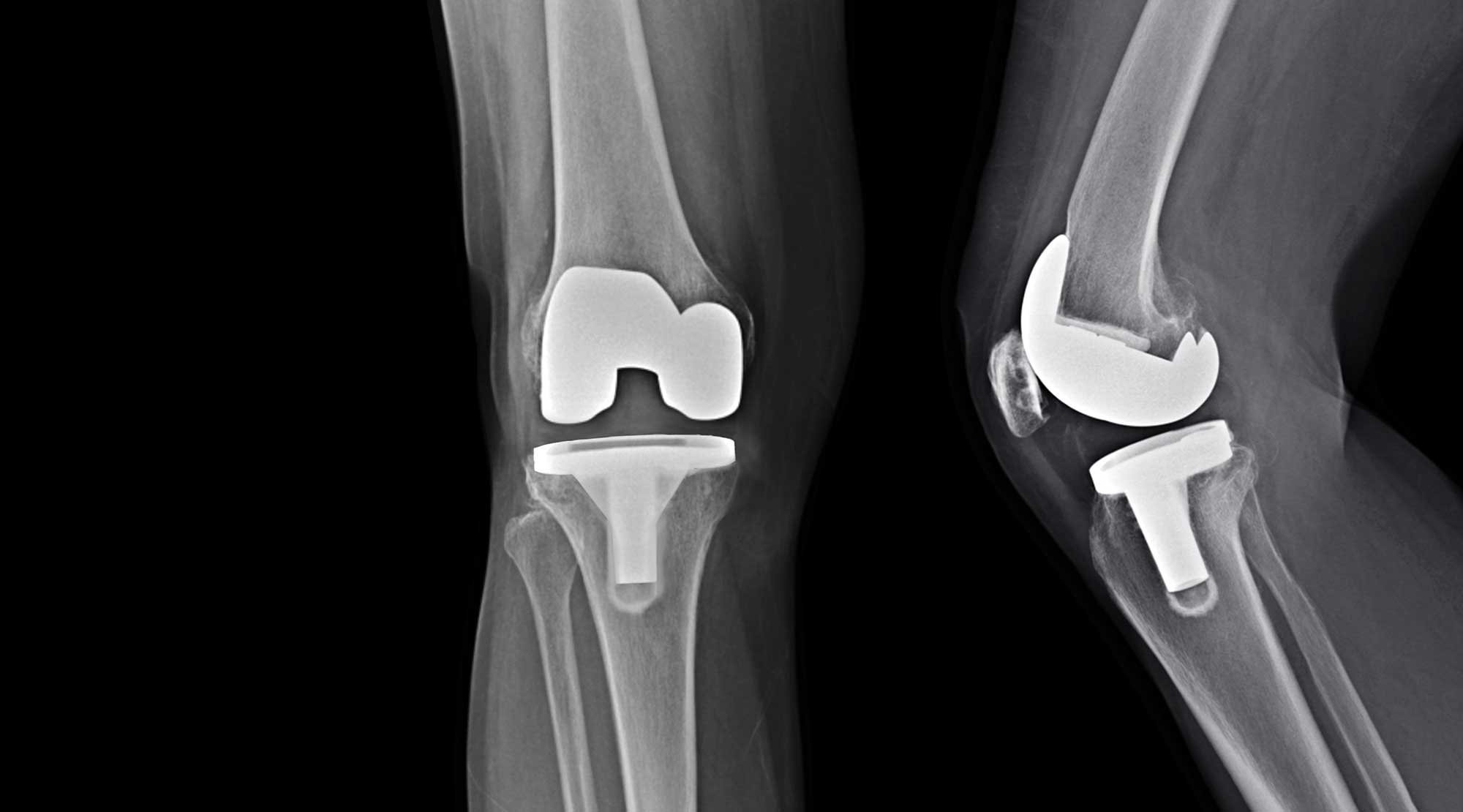
What is a total knee replacement
The knee joint is lined with cartilage that allows smooth, pain-free movement. In arthritis, this cartilage wears away until bone is moving against bone. The result is pain, stiffness, swelling, and progressive loss of function. A total knee replacement removes the arthritic surfaces and replaces them with a metal and plastic prosthesis designed to restore alignment, movement, and quality of life.
When is it indicated
Surgery is considered when knee arthritis is causing pain and functional limitation that has not responded to non-operative management- physiotherapy, activity modification, weight loss, injections, and analgesia. The decision to proceed is individual and based on the severity of symptoms, imaging findings, and the patient's activity demands and expectations.
Our approach
Brisbane Orthopaedic Group uses robotic-assisted techniques for total knee replacement. Prior to surgery a CT scan is used to create a three-dimensional model of the patient's specific anatomy. A personalised surgical plan is built from this model- implant sizing, positioning, and alignment are determined before the patient enters the operating room. Robotic assistance is then used intraoperatively to execute that plan with precision, reducing variability and improving the accuracy of implant placement.
Dr Scaife is a certified robotic knee surgeon across multiple platforms. The system used is determined by what is most appropriate for each individual patient.
Recovery
Total knee replacement requires a hospital stay of two to three days. Most patients are walking the same day as surgery. Rehabilitation with a physiotherapist begins immediately and continues for three to six months following discharge. Goals at six weeks include independent walking and knee flexion of 100 to 120 degrees. Full recovery and return to normal activity typically occurs over three to six months.
Follow up
A postoperative appointment is scheduled at six weeks following surgery, with ongoing review as required.
Services
