




Services
Partial Knee Replacement
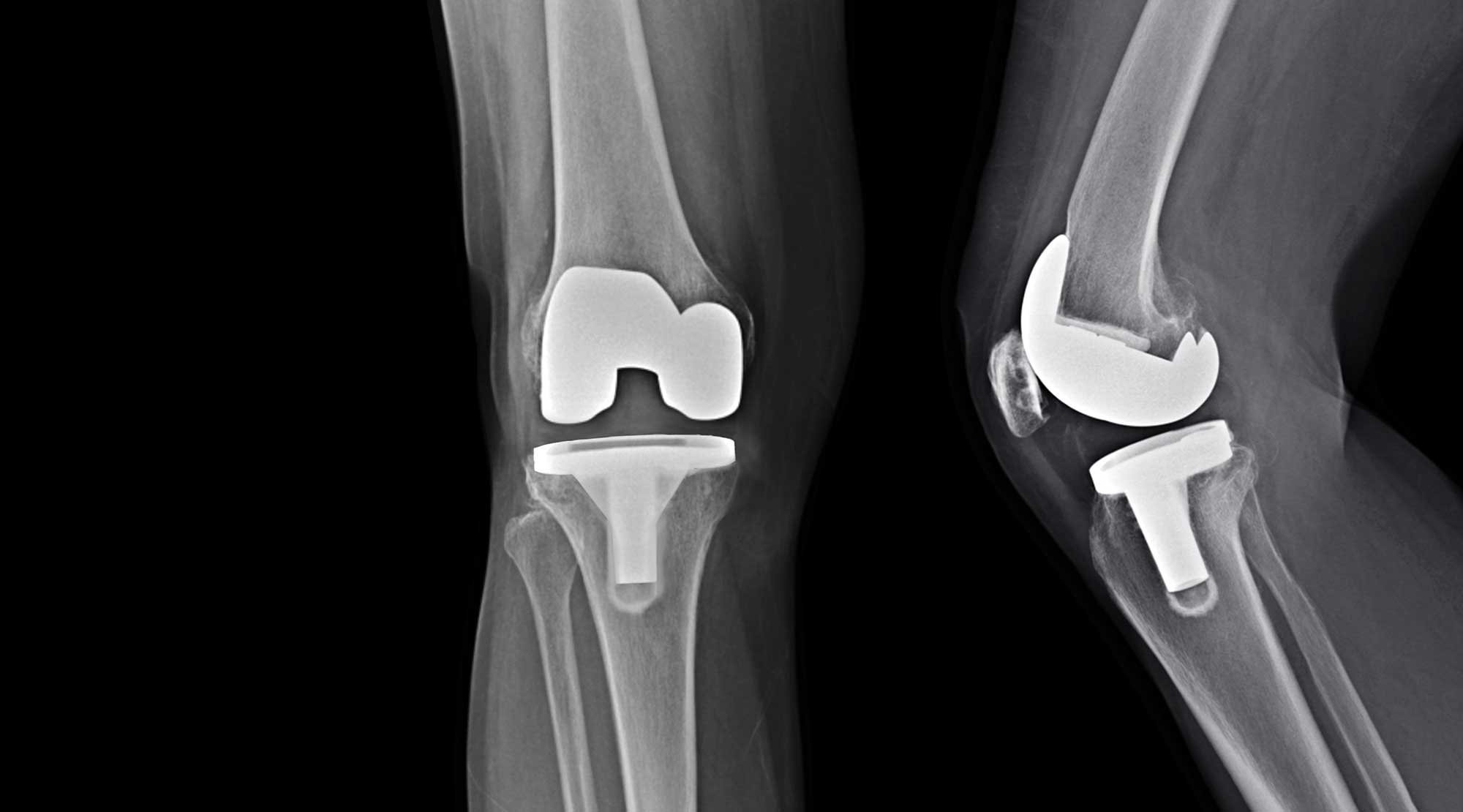
The knee has three compartments. In some patients, arthritis affects only one. When this is the case, a partial knee replacement- also called a unicompartmental knee replacement- replaces only the damaged compartment rather than the entire joint.

When is it indicated
Partial knee replacement is considered when arthritis is confined to a single compartment of the knee and symptoms have not responded to non-operative management. Not every patient is suitable. The degree of arthritis, knee alignment, range of motion, and overall joint condition are all assessed before recommending this approach. Dr Scaife will discuss whether you are a candidate at your consultation.
Why partial rather than total
Partial knee replacement is a less invasive procedure than total knee replacement. Less bone is removed, recovery is faster, and the knee retains more of its natural feel and movement. Hospital stay is shorter and rehabilitation is generally quicker. For the right patient it produces excellent long term outcomes.
The procedure
Surgery is performed under anaesthetic. The arthritic compartment is accessed through an incision on the front of the knee. The damaged bone and cartilage are removed and replaced with a metal and plastic prosthesis. The two remaining compartments are left entirely intact. Before the wound is closed the knee is assessed for stability, alignment, and range of motion.
Recovery
Most patients are walking the same day as surgery and discharged within two to four days. Rehabilitation with a physiotherapist begins immediately and continues for three to six months. Goals at six weeks include independent walking and knee flexion of 100 to 120 degrees.
Follow up
Postoperative appointments are scheduled at two weeks and six weeks following surgery.
Services
