




Services
Revision Hip and Knee Replacement
Joint replacements are designed to last but over time some will require further surgery.

Why revisions are needed
There are several reasons a hip or knee replacement may stop performing as it should. Implants can loosen from the bone over time. The plastic bearing surface can wear. The joint can become unstable. Infection, though uncommon, is a serious cause of failure that requires specific management. In some cases the original surgery may not have fully resolved pain or restored function.
If your replaced joint is causing new or worsening pain, instability, stiffness, or reduced function, it warrants assessment.
Assessment
Revision surgery begins with a thorough workup. Blood tests, imaging, and in some cases joint aspiration are used to establish why the original replacement has failed. Understanding the cause is essential to planning the right solution.
The procedure
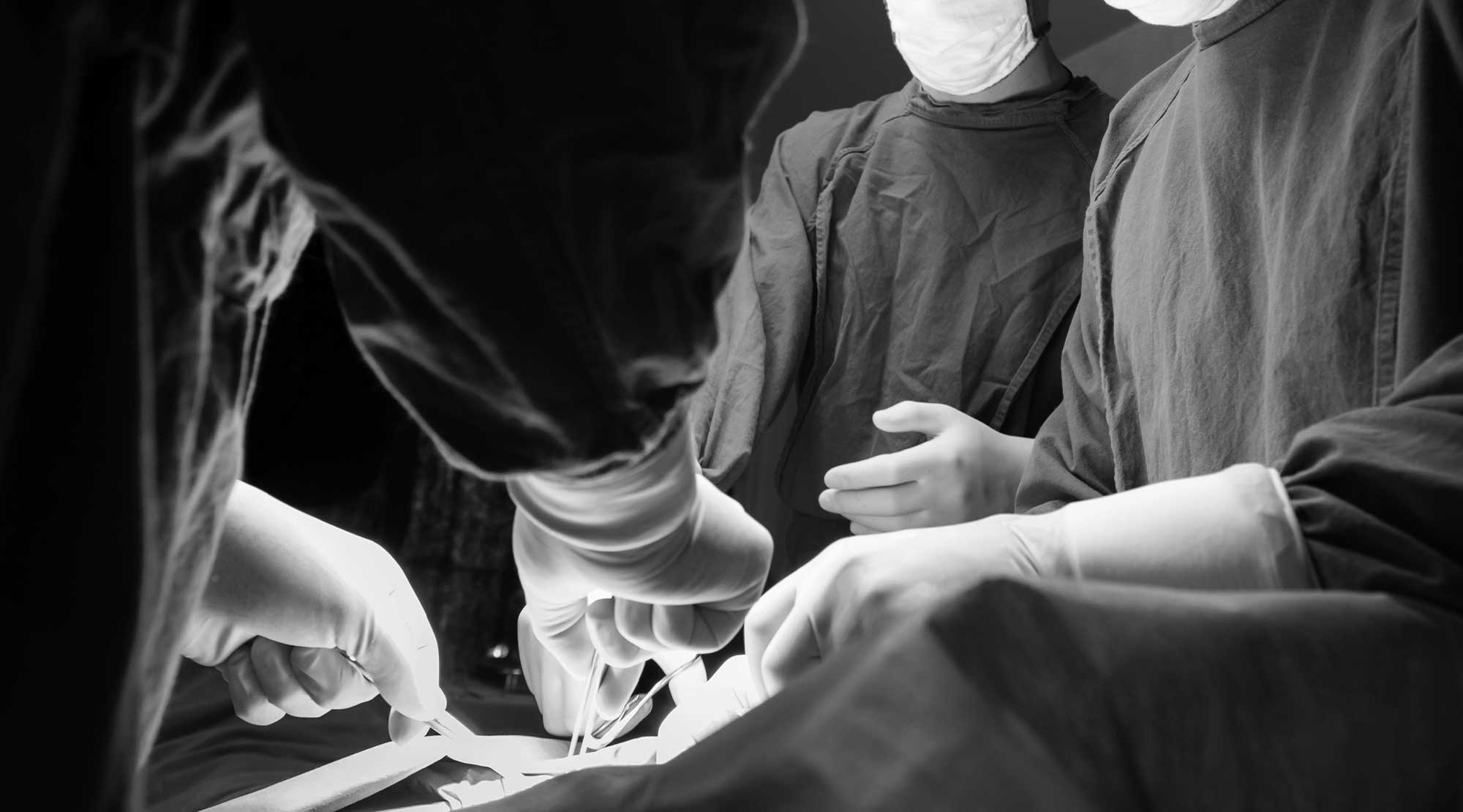
Surgery involves removing some or all of the original implant and replacing it with a new prosthesis. Revision implants are more specialised than those used in primary surgery- designed to manage bone loss and restore stability in a joint that has already been operated on. It is a more involved procedure than a primary replacement and recovery reflects that.
Recovery
Recovery takes longer than a primary hip or knee replacement. Most patients are walking with assistance shortly after surgery. Rehabilitation continues for several months following discharge. A specific recovery plan will be outlined at your preoperative consultation.
Follow up
A postoperative appointment is scheduled at six weeks following surgery with ongoing review as required.
Services
